Dhurandhar: The Revenge (2026): Aditya Dhar’s Spy Saga Goes Deeper, Darker
Lyari’s crumbling streets close in around Hamza Ali Mazari as rival gang leaders, corrupt officials, and a ruthless Pakistani military officer all want a piece of him, and the Indian RAW agent underneath that alias is running out of room to breathe. At 229 minutes, Aditya Dhar doesn’t just continue a story; he dares you to sit inside it, and for most of that runtime, the dare feels worth accepting.
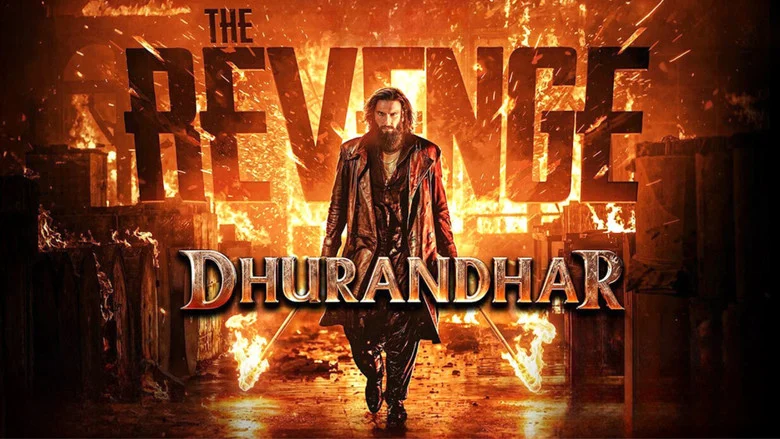
Ranveer Singh Disappears Into Hamza, and That’s Both the Film’s Strength and Its Riddle
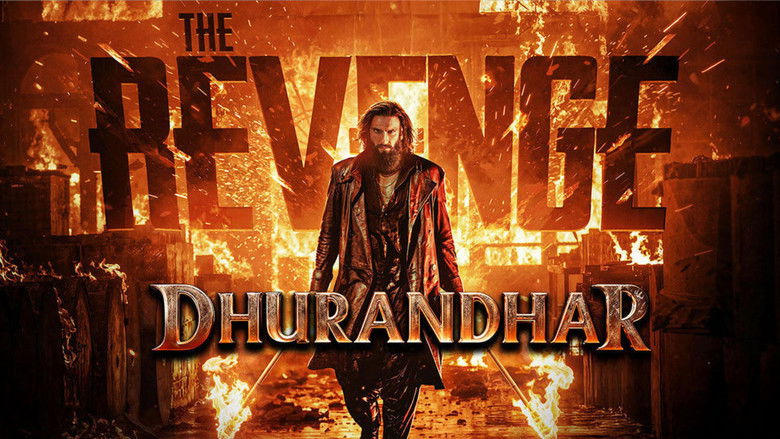
Ranveer Singh’s Hamza operates in a morally corroded space where the line between patriot and monster genuinely dissolves. Dhar uses this tension well, and Singh leans into the ambiguity rather than softening it. What the film resists, interestingly, is giving him a single scene of clean heroism, which makes his arc unsettling in the best way.
Aditya Dhar’s Timeline Manipulation Is the Film’s Sharpest Tool, Its Length, the Bluntest
The non-linear structure here isn’t decorative. Dhar uses a timeline play to introduce the film’s central national enemy, tying that reveal directly to Jaskirat’s backstory, and it lands as the film’s most precise narrative move. The editing in these power-shift sequences runs at breakneck speed without losing clarity.
The screenplay handles Lyari’s gang-political infrastructure with genuine sophistication. The depiction of how corrupt officials, political leaders, and gang bosses operate in interlocking corruption rings feels researched and lived-in rather than convenient. I found this world-building more compelling than most Hindi spy films bother with.
The flaw, and it is a real one, is the runtime. At 229 minutes, Dhar doesn’t always know which scenes are load-bearing. Some stretches feel like the film is insisting on its own weight rather than earning it. A sharper edit would have made the third act hit considerably harder.
If you enjoy dissecting Hindi spy thrillers with this kind of geopolitical texture, there’s more to explore in Hindi Crime reviews worth reading alongside this one.
Arjun Rampal’s Major Iqbal Is Ice-Cold, and the Film Knows Exactly How to Use Him
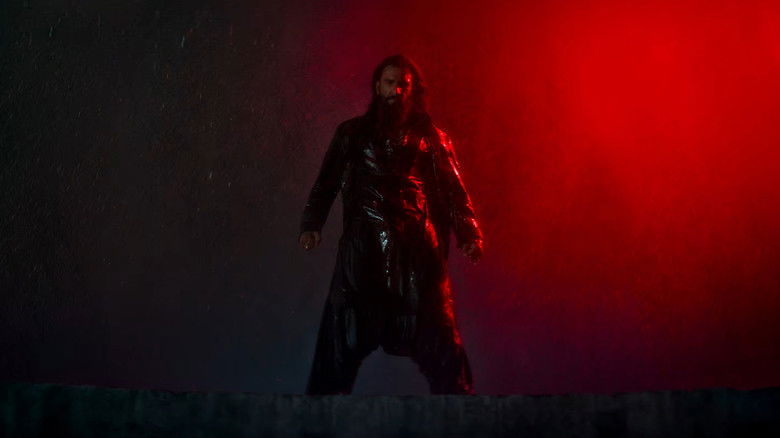
Arjun Rampal plays Major Iqbal with a controlled menace that never tips into camp. The scenes where he closes in on Hamza post-gang takeover carry real danger, Rampal strips the character of theatrics and leaves only calculation. It’s the kind of supporting performance that quietly elevates every scene it enters.
Sanjay Dutt’s presence adds a different kind of gravity to the film’s criminal ecosystem, though his character operates more as institutional weight than individual complexity. Rakesh Bedi and Gaurav Gera fill out the edges of this world with functional precision, neither overshooting nor disappearing.
The Lyari Gang Wars Are Depicted With a Moral Seriousness the Genre Rarely Attempts
The prolonged action sequence that unveils Jaskirat’s backstory through grotesque violence is not easy viewing. Dhar isn’t interested in clean choreography here, the brutality is deliberate, contextual, and uncomfortable in ways that serve the story.
The Lyari gang wars section, showing the three-way interplay between police, politicians, and gangsters, is the film’s richest passage. Power shifts that turn allies into enemies are handled with a procedural confidence that keeps the thriller mechanics genuinely tense.
The culmination, the death of SP Chaudhry Aslam and the opening of the unknown gunmen saga, lands with earned weight. It’s the kind of sequence that rewards the patience the film has demanded for two and a half hours before it arrives.
The Propaganda Question Hangs Over the Film, and Dhar Only Partially Answers It
Accusations of propaganda have followed this film, and they aren’t entirely without basis. A RAW agent dismantling Pakistani gang-political networks and ultimately closing in on a figure coded as Dawood Ibrahim is ideologically loaded material. Dhar’s directorial instincts pull toward moral complexity, but the mission’s ultimate framing does tilt toward national triumphalism.
Whether that reading undermines the film depends entirely on your threshold for patriotic cinema. What’s harder to dismiss is that the film’s more nuanced passages, Hamza’s psychological erosion, the institutional corruption on both sides, argue against a purely propagandist reading. The tension between those two impulses is never fully resolved.
If the moral murk of undercover operatives is what keeps you watching, the Aadu 3 review explores a very different kind of chaos driven by character rather than country.
Dhurandhar: The Revenge is best experienced in a theatre, the scope and the immersive pressure of Lyari’s world demand a large screen and the full commitment of an uninterrupted sitting. If you’re willing to give Aditya Dhar those 229 minutes, the film repays most of them with serious craft, a genuinely dense thriller architecture, and a performance from Ranveer Singh that refuses easy audience comfort. Those who want a tighter, cleaner film will leave frustrated. Those who want a spy film that treats its political world as actual infrastructure rather than backdrop will find plenty to hold onto.
Dhurandhar: The Revenge earns a 3.5 out of 5, Aditya Dhar has built something genuinely ambitious here, and the film’s flaws are almost entirely the flaws of excess rather than absence of craft.

Ankit Jaiswal is the Chief Author, covering Indian cinema and OTT releases with honest, no-filler criticism. An SEO strategist by background, he brings a research-driven approach to film writing, cutting through hype to tell you exactly what's worth your time.