Accused (2026): Konkona Sen Sharma Deserves Far Better Than This


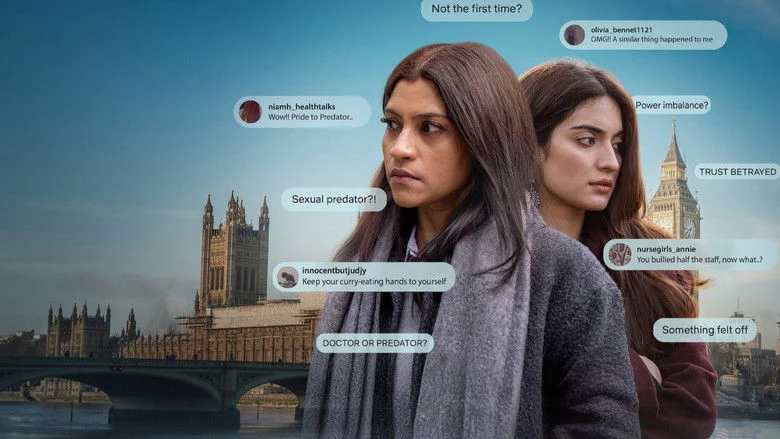
A surgeon publicly shreds a colleague mid-operation, calling it a bloody disaster, while her own life quietly unravels under the weight of an anonymous complaint she cannot see or touch. The premise, a queer woman doctor falsely accused of sexual misconduct while an adoption process and a marriage both hang in the balance, carries enough voltage to power three thrillers, yet Accused repeatedly refuses to pull the trigger.
Konkona Carries Every Scene Like the Film Owes Her Money
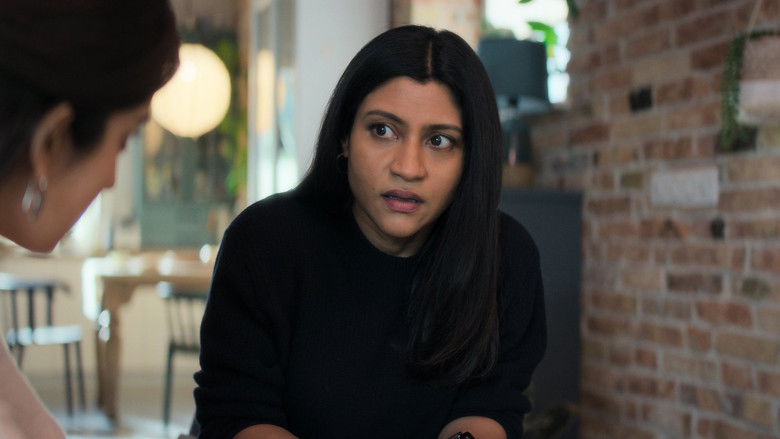
Konkona Sen Sharma is, quite simply, operating on a different frequency from everyone around her. Her Geetika is brittle without being fragile, arrogant without losing your sympathy. The surgery scene alone, the contempt in her voice, the institutional power she wields and will soon lose, tells you everything about this woman in under a minute.
When Geetika sits alone hacking a hospital server, tracing anonymous complaints to a single IP address from a library and café, Konkona makes the desperation feel earned. And when she finally declines the deanship after vindication, the quiet apology to Meera lands because she has done the work across every prior scene. I genuinely wish the film around her had matched her commitment.
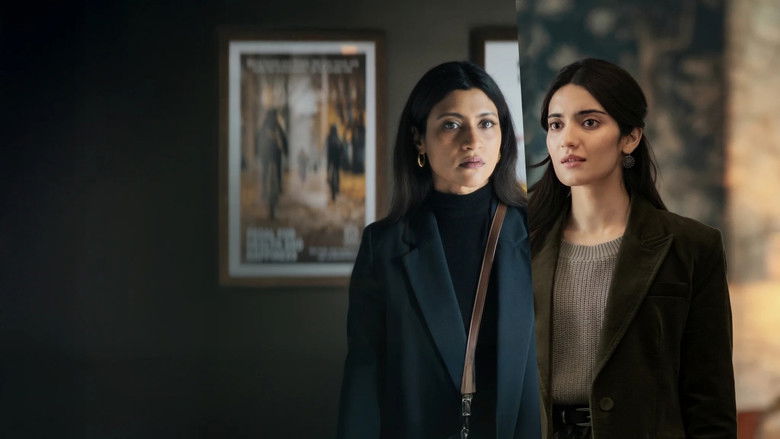
Anubhuti Kashyap Builds Atmosphere Then Abandons It
Director Anubhuti Kashyap understands the texture of institutional paranoia. The way complaints multiply online while Geetika’s world contracts is well-observed. The screenplay’s linear structure holds until the investigative pivot, which is the film’s most confident gear-change.
But here is where the film starts eating itself. The thriller mechanics lack nerve. An HR director who remains oddly tolerant of openly abusive behaviour strains credibility. The writing doesn’t interrogate the institutional rot, it merely acknowledges it and moves on.
The flaw isn’t ambition. The flaw is a screenplay that spots genuinely dangerous ideas and then retreats to safer, tidier resolutions. Accused has the bones of something unsettling. It refuses to be unsettling.
The Thriller Engine Stalls Precisely When It Should Accelerate
The psychological thriller DNA here is anchored around a smart central idea, how institutions respond to misconduct allegations before facts are established. The anonymous complaint mechanism, the drip of online noise, the weight of plausibility over proof: this is compelling material.
The shift from emotional drama to investigation, triggered by the server-hacking sequence, gives the second half a sharper pulse. Geetika tracing the complaints to a single orchestrator, Dr. Logan, driven purely by professional jealousy, is the film’s tidiest thriller beat. It works. But it also resolves too cleanly for a story that spent its first half suggesting the world is messy and unjust.
The break-in at Geetika and Meera’s home is the one moment where physical menace enters the frame. It heightens the paranoia briefly, and the David Brown connection is effectively teased. But the film doesn’t sustain that dread. It pivots to resolution faster than the tension deserves.
If psychological thrillers built around institutional power interest you, there’s a wider conversation happening in Hindi cinema right now, worth exploring through our Hindi Mystery reviews for recent releases in this space.
Pratibha Ranta as Meera Is Underused in the Best Possible Way
Pratibha Ranta’s Meera is the film’s moral compass, and the actress makes her doubt feel earned rather than dramatic. When Meera hires a private investigator after discovering concealed meetings, the betrayal on her face is specific, not rage, just exhaustion. That distinction matters.
Mashhoor Amrohi as the ex-journalist-turned-investigator Jaideep brings functional credibility to the procedural thread. He doesn’t overstay scenes. Monica Mahendru’s HR head Simran is the weakest supporting link, the character’s implausible tolerance of misconduct is a writing problem as much as a performance one.
Accused Engages a Serious Debate Without Committing to a Serious Argument
The film’s core ambition, examining society’s rush to judge based on power dynamics in #MeToo allegations, is genuinely worth a full series. A queer woman, coded as difficult and domineering, accused by an invisible complainant: the structural irony is rich.
But Accused wants to raise the question without sitting inside its discomfort. By resolving everything with a single jealous villain, it lets institutions, bystanders, and the digital mob off the hook entirely. The critique lands soft. That is the film’s most significant failure, not execution, but evasion.
Watch it for Konkona, but watch it knowing the film she is in doesn’t fully deserve her. Netflix is the right format, where you can at least pause and appreciate individual scenes without the weight of a theatrical disappointment pressing down on the experience.
If you want a recent OTT release where the lead performance is matched by an equally committed screenplay, the Subedaar 2026 review is worth your time next.
Accused (2026) is a compelling performance in search of a worthy film, Konkona Sen Sharma alone earns it a reluctant 2.5 out of 5, but the screenplay’s refusal to take risks makes this one of the more frustrating near-misses Netflix India has produced this year.
For another 2026 thriller that commits more fully to its darker instincts, the Dhurandhar The verdict offers a sharper comparison point in the same streaming landscape.
Ankit Jaiswal is the Chief Author, covering Indian cinema and OTT releases with honest, no-filler criticism. An SEO strategist by background, he brings a research-driven approach to film writing, cutting through hype to tell you exactly what's worth your time.