Ranabaali (2026): Vijay Deverakonda’s Famine-Era Guerrilla Epic Burns Slow, Strikes Hard
The first image that lands is not a hero’s entrance but a cracked riverbed, and the camera holds on it long enough to make you thirsty. Rahul Sankrityan understands that before Ranabaali can become a rebel, he has to be a man watching his village starve.
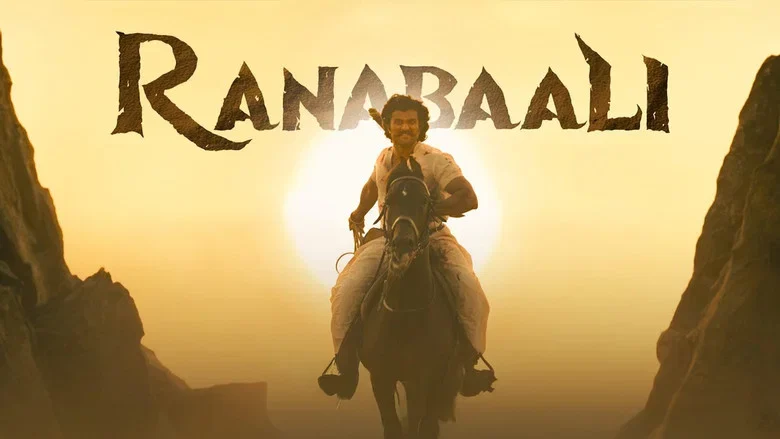
A Prophecy, A Famine, And A Warrior Who Refuses To Wait For Destiny
Vijay Deverakonda enters the film not on horseback but mid-prayer, forehead pressed to stone, and the staging tells you everything about the film’s priorities. This is a Ranabaali who believes in fate until fate fails him, and the screenplay wisely delays his transformation into a guerrilla leader until the second hour.
The Great Madras Famine of 1876 becomes the film’s true antagonist, more than any colonial officer. Sankrityan shoots grain stores like they are temples and empty vessels like they are corpses, and the visual grammar never lets you forget that this is a story about food before it is a story about freedom.
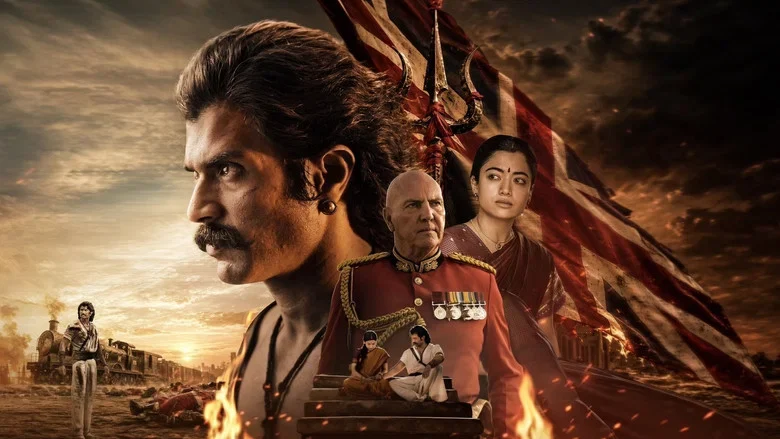
When Colonial Cruelty Becomes A Physical Presence, Not A Political Abstraction
Sir Theodore Hector arrives in the film’s first major set piece, and what makes him work is his stillness. He does not shout, does not threaten with raised voice; he simply signs documents while villages burn outside his window, and the film’s smartest choice is keeping him largely indoors, a bureaucrat whose violence lives in paperwork.
Ranabaali’s raids on colonial grain supplies are staged with a guerrilla’s logic rather than a blockbuster’s spectacle, which connects the film to the grounded action grammar of Dacoit while avoiding that film’s occasional over-reliance on slow-motion heroics. The action here is about recovery, not revenge, and that distinction matters.

Rashmika Mandanna’s Jayamma Is Not A Romantic Footnote But A Co-Conspirator
Rashmika Mandanna plays Jayamma with a quiet steel that recalls the grounded emotional work she brought to Cocktail 2, but here the stakes are survival rather than romance. Watch the scene where she hides grain in her sari while colonial soldiers search the house; her hands shake, but her eyes do not.
The film gives her one monologue in the second half that could have been a throwaway but lands because Mandanna plays it without tears. She is not asking Ranabaali to stay; she is telling him to finish what he started, and the moment reframes the entire rebellion as a joint decision rather than a solo mission.
Sankrityan’s Camera Breathes With The Landscape, Not Against It
The cinematography avoids the saturated golds and oranges that typically signal period epics, opting instead for muted earth tones that make the famine feel lived-in rather than aestheticized. Wide shots of Rayalaseema’s hills are held long enough to feel oppressive, and the film’s editing rhythm mirrors the slow collapse of the village’s food supply.
The background score is sparse, almost absent in the first hour, and when it finally swells during the grain raid sequence, the release feels earned rather than manipulated. This is the same patience that made Jailer 2 work in its better moments, though Sankrityan applies it more consistently across the film’s runtime.
Deverakonda’s Performance Finds Its Power In What He Withholds
The lead actor’s early scenes are deliberately uncharismatic; Ranabaali is a man who has not yet decided what he is willing to become. Deverakonda plays him with a slack jaw and heavy shoulders, and the transformation into a leader happens not through dialogue but through posture, through the way he begins to stand in front of others rather than beside them.
His chemistry with Mandanna is built on shared glances rather than grand declarations, and the film’s decision to keep their romance mostly silent makes the later separation more devastating. When he finally speaks the line about returning, it lands because he has spent two hours saying nothing.
The Colonial Machinery Is Dramatized Through Land, Not Lecture
The film’s political argument is embedded in material details: the way colonial officers measure land with chains, the way local intermediaries profit from famine, the way grain is exported while villages die. Sankrityan resists the temptation to lecture, and the film is stronger for it.
Arnold Vosloo’s presence in the colonial ranks adds a physical menace that the screenplay wisely underuses, keeping him as a threat in the background rather than a constant antagonist. The film knows that the real villain is the system, not any single man.
What Holds The Film Back Is Its Reluctance To Let The Second Half Accelerate
The first half builds methodically, but the second half occasionally mistakes slowness for gravity. There are stretches where the film cuts between Ranabaali’s raids and Jayamma’s waiting without adding new information, and the pacing sags in the middle of the resistance arc.
The climax is staged with restraint rather than spectacle, which will divide audiences expecting a full-scale battle. The film chooses to end on faces rather than fire, and while that choice is thematically consistent, it leaves the action-hungry viewer wanting more.
What The Box Office And The Studio Slate Are Actually Betting On
This is a Vijay Deverakonda vehicle designed to reposition him as a mass-action lead after a string of underperformers, and the film’s success will determine whether he can anchor large-scale period projects or remains a performer best suited to contemporary roles. The production backing is significant, and the release date shift from September to October suggests confidence in the film’s awards-season positioning rather than panic.
The Telugu period-action space has become crowded, and Ranabaali’s differentiation lies in its famine setting rather than its action choreography. The film’s commercial viability depends on whether audiences want history with their heroism, and the answer to that question will shape what contemporary Telugu action cinema looks like over the next two years.
A Warrior’s Story That Refuses The Comfort Of A Clean Victory
The film ends not with a battle won but with a community still hungry, still occupied, still waiting. Ranabaali’s final act is not to defeat the empire but to keep his people alive long enough to resist another day, and that refusal of triumphalism is the film’s most radical choice.
Sankrityan has made a period action drama that is less interested in glory than in endurance, and Deverakonda’s performance finally finds its footing in the film’s quiet final moments. Ranabaali does not ride off into the sunset; he walks back into the village, and the camera stays on his back until the screen goes dark.

Ankit Jaiswal is the Chief Author, covering Indian cinema and OTT releases with honest, no-filler criticism. An SEO strategist by background, he brings a research-driven approach to film writing, cutting through hype to tell you exactly what's worth your time.