Daayra (2026): Meghna Gulzar’s Encounters With Justice End in a Draw
The most quietly devastating image in Daayra is not the charred body that ignites its plot, nor the celebratory mob that showers petals on an encounter van. It is a rear-view mirror. Meghna Gulzar’s camera keeps returning to those small reflective rectangles, the ones bolted to police jeeps and parked cars, as if the entire moral architecture of the film could be caught in a sliver of laminated glass. In one investigation sequence, DCP Ajooni Kohli (Kareena Kapoor Khan) studies a mirror frame that accidentally captured a man’s behaviour weeks before he became a suspect. It is a superb procedural instinct: the past hiding inside the present’s field of vision, guilt visible only in reverse. If only the film trusted that instinct for all 143 minutes.
The Case: A Mother, a Body, and Four Bullets
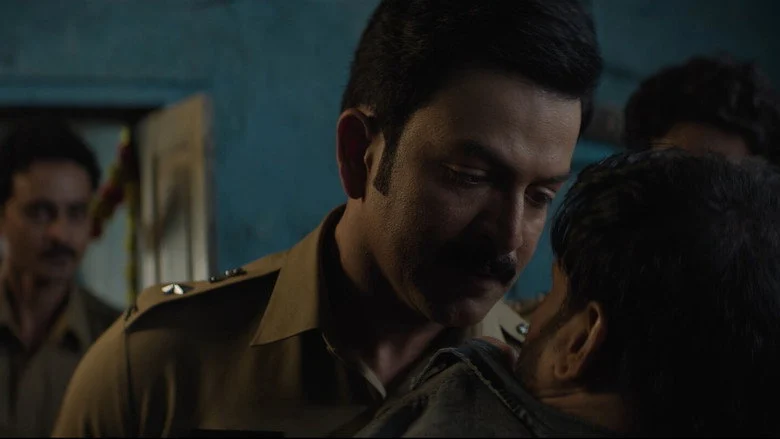
The setup is drawn from headlines we all recognise. Ragini Pujari, a young woman, goes missing; her mother Parvati (Kshitee Jog) and brother face bureaucratic delay in filing a complaint; her charred remains surface. Then DCP Raman Kumar (Prithviraj Sukumaran) and his team gun down four accused men in an encounter, and the public erupts in garlanded approval. Ajooni, from Internal Vigilance, is tasked with determining whether the killing was lawful, or theatre.
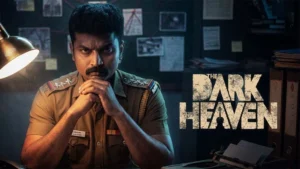
Gulzar’s structural gamble is to run the crime and the encounter as one track, and the internal probe as another, cutting between them until the timelines start to argue with each other. It is the same forensic patience she brought to Dark Heaven review, where a mystery’s real subject was the secrets rotting underneath the case file. Here, the parallel editing is smooth, almost seductive, a credit to the cutting, but smoothness is not the same as momentum, and the promised cat-and-mouse duel between the two DCPs never quite arrives.
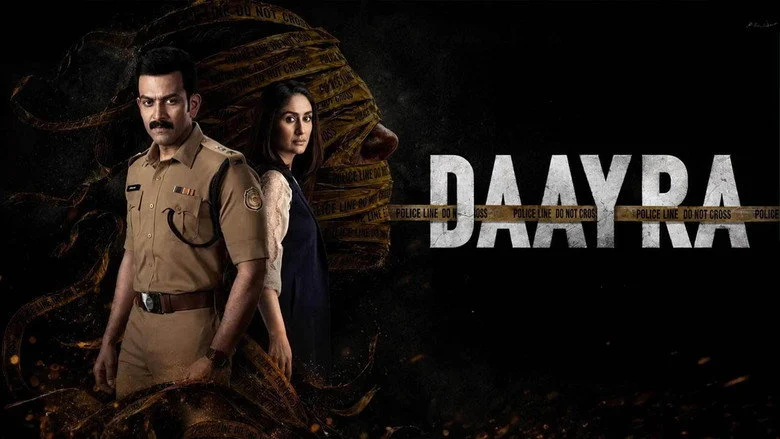
Two Performances, Two Different Films
Prithviraj Sukumaran is the film’s engine. Watch his first press-adjacent moment after the encounter: he doesn’t play triumph, he plays digestion, the slow, private processing of what he has authorised. It’s a performance of withheld pressure, and every scene where Ajooni interviews his subordinates gains voltage simply because we know he is somewhere else in the building, listening to the building.
Kareena Kapoor Khan’s Ajooni is the film’s thesis in human form, process over punishment, statute over spectacle. Her standout beat is a dialogue delivered with weary precision: “System change hote hain Vishal, log nahi. Attitude kaise change karoge?” It’s a line that could have been the film’s spine. But in several interrogation scenes her register tilts toward the performative, as though the actor is presenting an idea of an officer rather than inhabiting one, and opposite Prithviraj’s internalised burn, that artifice reads as a gap. CNBC TV18 put it bluntly: Prithviraj outshines her. The film doesn’t collapse because of it, but its central dialectic loses a lung.
And then there is Kshitee Jog. As Parvati Pujari, she delivers the sequence the whole film has been quietly building toward, the mother’s testimony that the real struggle for justice begins after the arrests, not before them. Her grief isn’t decorative; it is prosecutorial. It reframes the entire encounter debate from abstract ethics into a woman asking what, precisely, has been done in her daughter’s name. It is the most praised scene in the film for good reason.
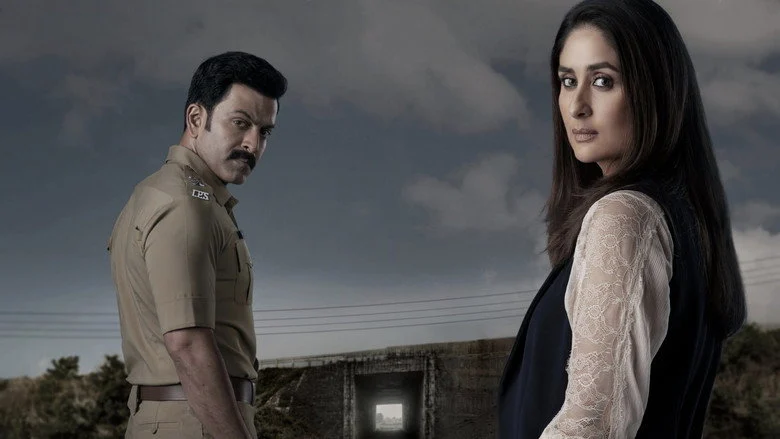
Where the Argument Loses Its Thread
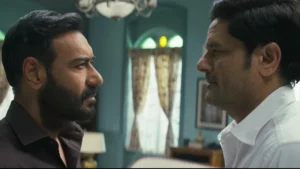
The final confrontation between Ajooni and Raman is where Daayra stumbles. The staging is talky, the positions are restated rather than stress-tested, and the film pulls its punch at the exact moment it should land one. The Times of India’s critique cuts to the bone: the film needed to dig deeper into what happens when extrajudicial action undermines the very system of justice. Instead, it settles for a moral stalemate, a draw, which is what the title promises and what the drama cannot afford. India Today’s assessment that the tension “never quite materialises” is, unfortunately, accurate: the investigation is diligent but rarely dangerous.
Technically, the film is often excellent. Ketan Sodha’s background score is admirably restrained, refusing the drum-thump that lesser thrillers use to manufacture dread. Amit Trivedi’s songs, with Gulzar’s lyrics, sit inside the emotional world rather than interrupting it. The cinematography’s use of CCTV and mirror imagery gives the procedural genuine texture. What the second half lacks is not craft, it’s conviction.
Verdict: A Well-Made Film That Refuses to Take Its Own Case Seriously Enough
For a director who made Talvar, the comparison is unavoidable and unflattering: that film’s structure was a vice; this one’s is a hammock. Audiences drawn to Meghna Gulzar’s moral seriousness, to classy crime procedurals, and to Prithviraj’s finest Hindi work will find plenty to respect here. Those wanting propulsion, or a family evening, should look elsewhere, the A certificate and the subject matter are not decorative. Also on our review desk: our take on Mahendragiri Varahi verdict, another recent thriller whose star performance carries more than its script does.
Daayra is a film about the difference between justice and its performance. It is also, frustratingly, an example of it.
Star rating: 3/5

Ankit Jaiswal is the Chief Author, covering Indian cinema and OTT releases with honest, no-filler criticism. An SEO strategist by background, he brings a research-driven approach to film writing, cutting through hype to tell you exactly what's worth your time.