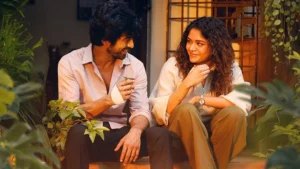
Aadu 3 (2026): Shaji Pappan Returns, But Does the Madness Hold Up?
Shaji Pappan and his gloriously dysfunctional gang stumble into yet another absurd predicament, and for a franchise built entirely on cheerful chaos, that sentence is both the pitch and the warning label. Eleven years after the original Aadu announced Midhun Manuel Thomas as a filmmaker with a rare gift for anarchic ensemble comedy, this third chapter arrives carrying the combined weight of franchise loyalty and audience expectation, a burden that not every returning gang survives intact.

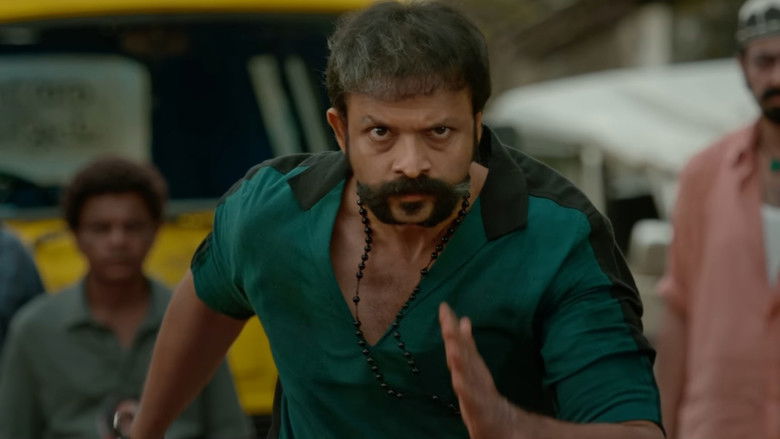
Jayasurya Carries Shaji Pappan Like a Man Who Knows This Character in His Bones
Jayasurya has now inhabited Shaji Pappan across three films, and the comfort shows, sometimes thrillingly, sometimes as a slight concern. There is an effortlessness to him here that reads less as lazy familiarity and more as a performer who has fully dissolved into a role. The question the film never quite answers is whether it gives him anything genuinely new to do with that ease.
I find myself wishing the screenplay had pushed Pappan into territory that forced Jayasurya to stretch, rather than simply revisiting the reliable beats that made the character beloved in the first place.
Midhun Manuel Thomas Understands His World, Even When His Script Loses the Thread
Midhun Manuel Thomas has a genuine directorial strength: he builds ensemble energy with an almost instinctive rhythm, letting his large cast breathe without the film feeling scattered. That ability to orchestrate chaos, controlled, calibrated chaos, is what made Aadu work as a franchise in the first place, and it has not entirely deserted him here.
The screenplay, however, runs at a punishing 2 hours and 48 minutes. For a comedy built on momentum, that runtime is a structural liability. There are stretches where the madness starts feeling mechanical rather than spontaneous, and no amount of affection for these characters fully compensates for that drag.
The writing is at its sharpest when it trusts the ensemble and resists the urge to over-explain its own absurdity. When it leans into exposition or tries to manufacture stakes, the air goes out of the room.
The Comedy Engine Runs, But Not Always at Full Throttle
Aadu 3 is fundamentally a comedy, and the genre demands a relentless internal pressure, each scene must either land a joke or build toward one. The film understands this instinctively in its better passages, deploying its large cast with the precision of a well-rehearsed troupe.
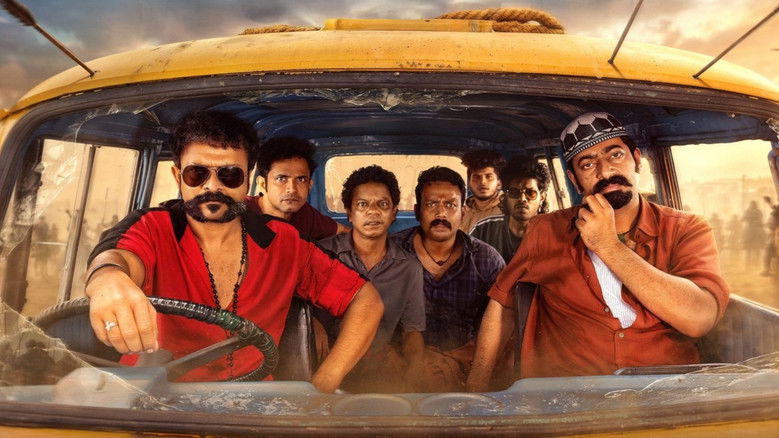
The ensemble interplay between Jayasurya, Vinayakan, Sunny Wayne, and Saiju Kurup still generates genuine laughter. The chemistry between these actors has years of collaborative history behind it, and that lived-in quality translates on screen in moments of offhand comic timing.
What the film cannot fully sustain is the escalating lunacy that made Aadu 2 such a delirious experience. The comedy here feels more episodic than cumulative, arriving in reliable bursts rather than building into a sustained comic fever. For Malayalam action comedy fans, there is still enough here to engage, just not quite enough to ignite.
If you enjoy Malayalam comedy ensemble films, you’ll find more reviews worth exploring in our Malayalam Comedy reviews section.
Vinayakan and the Supporting Cast Keep the Gang Alive
Vinayakan as Dude remains one of Malayalam cinema’s most idiosyncratic comic presences, and his scenes carry a loose, unpredictable energy that no other cast member replicates. Sunny Wayne’s Saathaan Xavier continues to be a reliable source of deadpan absurdity, and the character’s name alone suggests the film’s endearingly unhinged sensibility.
Saiju Kurup as Arakkal Abu and Vijay Babu as SI Sarbath Shameer slot comfortably into the ensemble without either being wasted or being given enough to genuinely surprise. Dharmajan Bolgatty as Captain Sachin Cleetus and Indrans as P.P Sasi Aashan add texture to the margins. The film is never short on faces, it is occasionally short on moments that make those faces truly memorable.
No Controversy, But the Franchise Itself Is the Audience’s Battleground
Aadu 3 arrives without any political controversy or production scandal attached to its name. The real debate is among the franchise’s own fanbase: how many times can the same gang, the same energy, and the same director return before the formula calcifies into imitation of itself?
Fans of the series, and they are numerous, fiercely loyal, and will show up regardless, will find this third installment a serviceable reunion. Those coming in cold, or those who felt Aadu 2 already pushed the concept close to its ceiling, may find themselves watching the clock during that extended second half. The film’s limited theatrical release on March 19, 2026 positions it as a passion project for the converted rather than a broader mainstream event.
If you are already a Shaji Pappan devotee, Aadu 3 is a reasonably satisfying if slightly overstretched night out, best watched with a crowd that knows the callbacks and appreciates the returning faces. If this franchise is new territory for you, start with the 2015 original, which remains the tightest and most surprising of the three. The gang is still fun. The film just needed a braver editor and a tighter second half.
Aadu 3 is a film that coasts on earned goodwill and genuine ensemble charm, but at 2 hours 48 minutes and with a screenplay that runs out of escalation before it runs out of runtime, it earns a 2.5 out of 5, a warm but honest recommendation only for those already invested in Shaji Pappan’s world.

Ankit Jaiswal is the Chief Author, covering Indian cinema and OTT releases with honest, no-filler criticism. An SEO strategist by background, he brings a research-driven approach to film writing, cutting through hype to tell you exactly what's worth your time.