How to not have sex (2026): A Sharp Reunion Drama on Consent and Competing Memories
Three old friends gather at a high school reunion that spirals into a painful interrogation of memory and desire. Within minutes, nostalgia curdles into confrontation as Jai’s casual retelling of a past sexual encounter collides head-on with Amrita’s starkly different version of what actually happened.
This is not the indie dramedy its title might suggest. It’s a tightly wound examination of how power, misogyny, and the gap between male recollection and female experience can live in the same story and refuse to reconcile.

The Reunion Conversation Methodically Exposes Fractures
The entire film hinges on a single location: Vikram’s place, where ninety-nine minutes unfold as one long, escalating argument. The directorial approach is deceptively simple, let the contradictions between Jai’s account and Amrita’s testimony speak for themselves. The setup is sharp and timely, never allowing the audience the comfort of settling into either perspective as truth.
What makes this work is the refusal to soften the conflict. The screenplay structures itself around the thin lines between misogyny, consent, and persuasion, treating these not as abstract problems but as lived terrain where memory itself becomes weaponized.
Amrita’s Final Disclosure Recontextualizes Everything
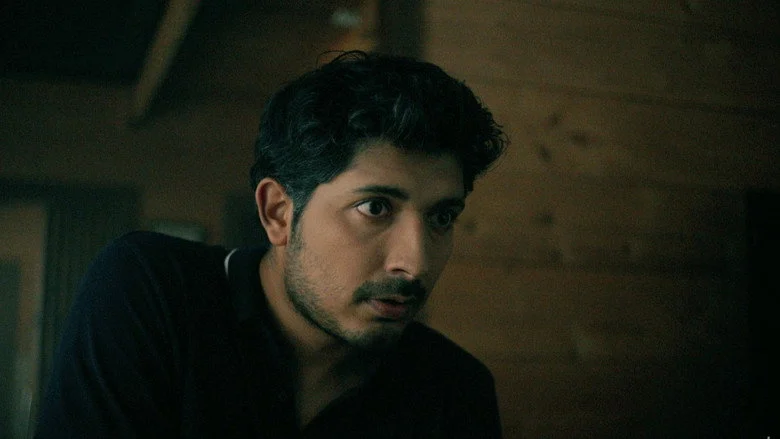
The film’s most effective moment arrives near its close, when Amrita’s version of events fundamentally changes what we thought we heard in the earlier exchanges. This isn’t a twist for spectacle; it’s a narrative choice that forces viewers to recognize how much of the story depends on who gets believed and why.
The structure banks on this reveal. Every contradiction that precedes it becomes sharper in retrospect, and the dialogue-driven tension justifies itself in that single reframing. The ending doesn’t resolve the argument, it deepens the wound.

Dialogue-Driven Drama Lives or Dies on Conversational Weight
A chamber drama about consent and memory rises or falls entirely on whether the conversation itself generates genuine drama. Here, the film sustains tension through testimony and counterpoint rather than physical action, relying on the audience to track who said what and why their accounts matter.
The pacing tightens as the film moves through acts. The first half establishes the reunion and initial recounting; the second half compounds the contradictions until the final disclosure reframes the entire narrative. This linear, retrospective structure mirrors the Linklater model but applies it to a distinctly Indian social problem.
The confinement to a single setting and a single conversation intensifies interpersonal conflict. There’s nowhere to run, nowhere to soften the edges. What could feel stagey instead becomes claustrophobic, exactly the effect the material requires.
For viewers drawn to Hindi-language social dramas, this offers a vocabulary for discussing how gendered power shapes what gets remembered and believed. If you’re after conventional commercial entertainment or action-driven plotting, this will feel like an endurance test.
Vikram and Jai’s Competing Versions Define the Emotional Register
The two male characters operate as competing anchors for interpretation. Without specific performance notes available, what matters is how their testimonies function structurally, they frame the story as a male problem that only women’s honesty can expose. The material positions Vikram as the location and witness, a figure whose silence or complicity becomes its own kind of betrayal.
The Social Issue Framing Keeps Sentimentality at Bay
The film treats consent not as a romantic obstacle but as a narrative and social problem. This matters because it prevents the story from collapsing into personal melodrama or redemption. The past incident remains unresolved and ugly, exactly as memory disputes should be when misogyny is involved.
There are no verified controversies or censorship issues attached to the film’s release, which suggests the subject matter landed without the backlash such narratives sometimes invite. That restraint itself is notable, the film makes its point without seeming didactic.
This is a film for audiences willing to sit with discomfort and dialogue as their primary entertainment. The class demographic most likely to engage seriously with its premise are those already attuned to questions of gendered power and narrative reliability. If you expect catharsis or resolution, you’ll leave unsettled. If you’re looking for a sharp psychological drama that trusts its audience’s intelligence, this delivers.
For those interested in how Indian cinema is processing consent narratives, related Bharat Bhhagya review offer broader context on the form’s current shape.
How to Not Have Sex is a disciplined chamber drama that refuses easy answers and holds its characters accountable, a modest but necessary film that earns its 99 minutes, landing as a sharp social observation rather than crowd-pleasing entertainment, warranting a solid 3.5 out of 5.
The same unflinching approach to exposing gendered power dynamics that defines this film echoes through Bharat Bhhagya review‘s interrogation of women’s agency.
Both How to Not Have Sex and Governor verdict ground their social critiques in confined spaces where character testimony becomes the primary battleground.

Ankit Jaiswal is the Chief Author, covering Indian cinema and OTT releases with honest, no-filler criticism. An SEO strategist by background, he brings a research-driven approach to film writing, cutting through hype to tell you exactly what's worth your time.