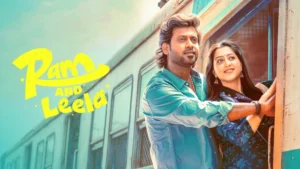
Equal (2026): Shiva Prasad’s Ambitious Drama Loses Its Grip in Execution
The opening frames of Equal carry an unmistakable ambition, director Shiva Prasad wants to say something weighty about justice, identity, and the spaces between right and wrong. The film’s title itself signals an intent to engage with binaries, to dismantle them. Yet the screenplay that follows never quite matches the seriousness of its own premise.
There is a clear directorial voice here, one that understands mood and atmosphere. But a strong vision needs a script that can support it, and Equal’s writing buckles under the weight of its own ideas, leaving Prasad’s craft stranded in service of a narrative that keeps slipping.
The Lead Performance Carries Scenes That Should Have Collapsed
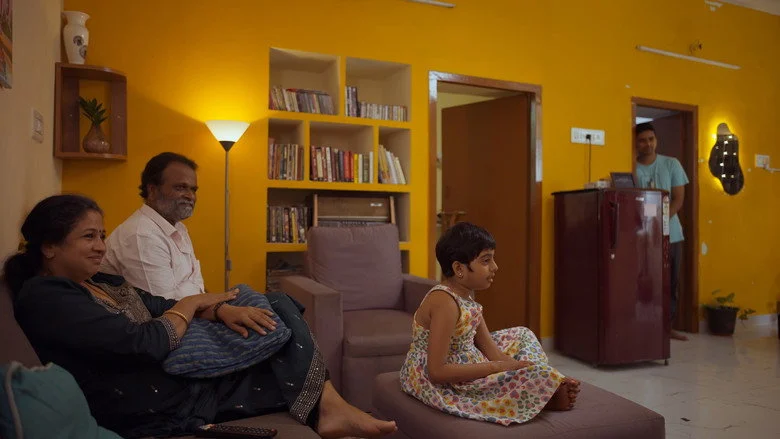
With the cast information thin in the public domain, what remains is the impression of a film that leans heavily on its central performance to hold attention. The lead actor is asked to carry emotional whiplash, shifting from quiet introspection to explosive confrontation, and the material demands a physical commitment that the script doesn’t always reward.
There are stretches where the performance alone generates the tension the writing fails to build. You can sense the actor filling gaps, adding subtext where dialogue is flat, and providing the film with a pulse it might otherwise lack. It is not enough to save Equal, but it makes the experience watchable.
Had the screenplay offered this performer a sharper arc, the film might have landed differently. As it stands, we are watching a committed actor trying to elevate a vehicle that doesn’t know its own direction.
The Direction Shows Instinct, But the Screenplay Betrays It
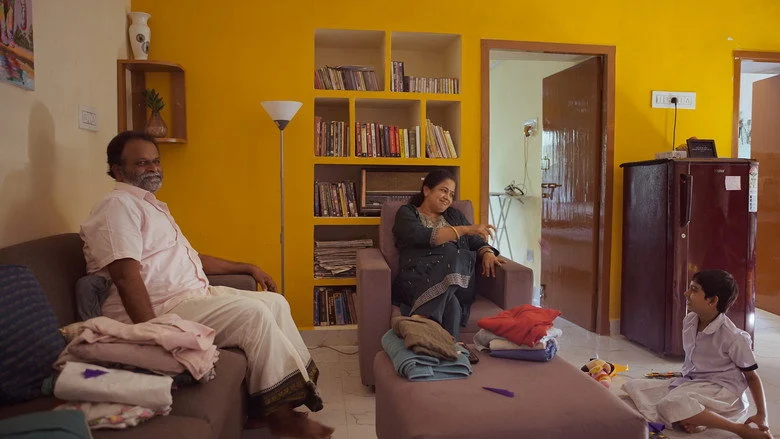
Prasad demonstrates a genuine feel for staging and visual composition. There is a patience to his framing, a willingness to let scenes breathe before cutting away. This instinct suggests a filmmaker who values mood over exposition, and in isolated moments, that approach pays off.
The flaw is structural. The screenplay lacks a coherent spine, meandering between subplots that never quite connect into a unified argument. Scenes that should escalate instead plateau, and the film’s central conflict is introduced late and resolved even later, robbing the narrative of momentum.
One wonders what a tighter draft might have done with this material. The director’s eye is there; the writer’s hand is missing.
The Genre Core Never Finds Its Rhythm
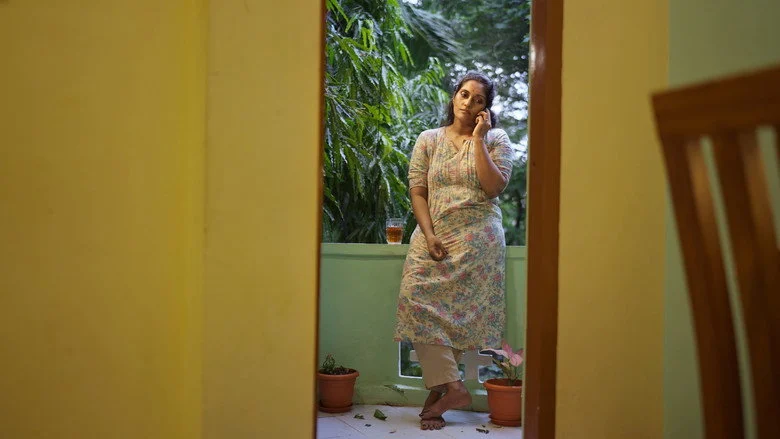
If Equal is intended as a drama, it struggles with pacing, the emotional beats land unevenly, and the film’s quieter passages drag without accumulating meaning. The tension that should simmer beneath the surface often dissipates entirely, leaving long stretches that feel inert.
If it aims for thriller territory, the setpieces are too sparse and too loosely staged to generate genuine suspense. The film gestures toward conflict but rarely commits to the mechanics of it, no tight sequences, no escalating stakes, just a slow drift toward a climax that feels earned by obligation rather than design.
As a social commentary, it raises questions it refuses to answer, circling its themes without ever landing a definitive statement. The result is a film that exists in a middle ground, not gripping enough for genre audiences, not incisive enough for those seeking intellectual engagement.
For those who enjoy exploring ambitious yet flawed regional cinema, our Tamil Drama reviews might offer a fuller picture of what the medium can achieve.
Supporting Players Are Left With Thankless Roles
The supporting cast is present but underserved. Each actor is given a function rather than a character, a voice of reason here, a source of conflict there, and none of them are allowed to develop beyond their utility. This is a structural failure as much as a performance one.
What the casting does signal is intent: the film wants a grounded, naturalistic ensemble, and the actors chosen fit that register. They just don’t have the lines or the scenes to make an impression, leaving the lead to do all the heavy lifting.
Audience Reception Points to a Familiar Divide
With no formal critical consensus available, the conversation around Equal seems to hinge on expectation. Those who arrive looking for a conventional narrative will likely leave frustrated; those who appreciate atmosphere over plot may find something to admire in the craft.
The film’s lack of a clear identity is its biggest liability. It wants to be many things, a character study, a moral fable, a slow-burn drama, and ends up being none of them fully. The audience that might have championed a more focused version of this film is left waiting for a movie that never arrives.
If you’re in the mood for a performance-driven drama that actually commits to its premise, Aali review offers a sharper take on similar territory.
Equal is a film of intentions rather than achievements. Shiva Prasad has the instincts of a visual storyteller, but this script doesn’t give him the runway to soar. The lead performance is the only reason to stay, and even that can’t fully compensate for a narrative that loses its way.
Watch it if you’re a completionist for the director’s work, or if you want to see a committed actor fight against the material. Otherwise, this is a rental at best, something to stream on a slow evening when your standards are already lowered.
Equal deserves credit for trying, but trying isn’t the same as succeeding, a film that earns a 2/5 for its ambition and loses points for its execution.
For a more satisfying blend of performance and plot, Hi verdict manages the balancing act far better.

Ankit Jaiswal is the Chief Author, covering Indian cinema and OTT releases with honest, no-filler criticism. An SEO strategist by background, he brings a research-driven approach to film writing, cutting through hype to tell you exactly what's worth your time.