Cocktail 2 (2026): Shahid and Kriti Navigate Relationship Chaos with Uneven Comedy-Drama Balance
A decade-long relationship fractures the moment an old flame resurfaces, triggering a cascade of romantic and social entanglement. Homi Adajania’s Cocktail 2 stakes its premise on emotional vulnerability and comedic chaos, betting that audiences will embrace relationship dysfunction as entertainment.
What emerges is a film caught between tones, neither fully committed to the light touch that rom-coms demand nor the emotional precision that dramatic relationship studies require. For viewers seeking cast-driven entertainment and chemistry-heavy storytelling, this sequel offers enough moments of appeal, though execution matters far more than ambition here.
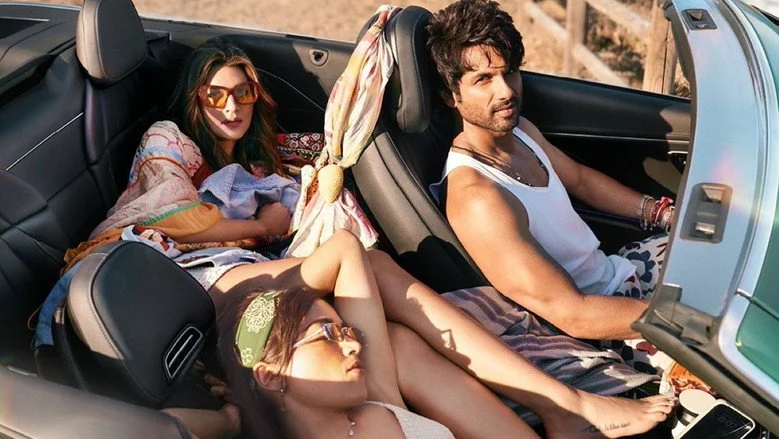
Shahid Kapoor Carries the Emotional Weight Without Sufficient Comedy Anchoring
Shahid Kapoor shoulders the film’s central conflict as the relationship destabilizes around him. His performance leans into vulnerability, the kind of territory he’s explored before, but the screenplay doesn’t give him scenes sharp enough to cut through the romantic-comedy formula. He’s asked to be troubled without being unlikeable, conflicted without being dramatic enough for genuine stakes.
The supporting cast, including Dimple Kapadia and Rohit Saraf, orbits this central tension, but their moments feel designed to push plot mechanics rather than deepen character. Casting choices signal adult-oriented relationship storytelling, yet the dramatic payoff rarely matches the promise of that A-certificate maturity.
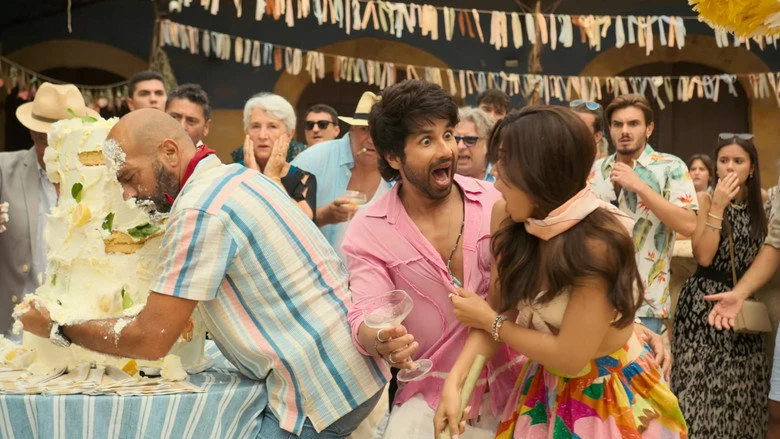
Homi Adajania’s Direction Opts for Safety Over Comic Precision
Adajania has directed ensemble chemistry before, but Cocktail 2 reveals a weakness: the screenplay, penned by Luv Ranjan and Tarun Jain, meanders through relationship beats without earning laughs at the moments comedy should arrive. The direction follows the script’s hesitation faithfully, which means neither compensates for the other’s shortcomings.
The stronger choice would have been commitment to either genre, lean fully into romantic drama with real stakes, or build a sharper comedy with precise comic timing. Instead, the film exists in a middle zone where relationship conflict doesn’t feel genuinely threatening and comedy doesn’t quite land.

Romantic Comedy Drama Relies on Cast Chemistry Over Structural Craft
The central triangle, established couple disrupted by an old acquaintance, is a foundation that depends entirely on emotional authenticity and comedic rhythm. Here, the film’s romantic scenes carry more weight than its comedic ones, which suggests Adajania’s instincts favor dramatic sincerity over entertainment value.
Chemistry between Shahid Kapoor and Kriti Sanon exists, but it’s tested across scenes designed to showcase relationship friction rather than connection. When the film attempts lighter moments, the timing feels off, jokes arrive without setup, conflicts resolve too quickly, and emotional turning points blur together.
Rashmika Mandanna’s role as the returning figure who destabilizes the marriage signals the film’s awareness that exterior pressure can fracture interior bonds. Yet the emotional geography, how jealousy, nostalgia, and unresolved feelings interact, lacks the specificity that would make this premise compelling. The chaos referenced in the plot synopsis never quite materializes into genuine narrative momentum.
For Hindi film reviews and similar romantic-drama fare, Hindi Romance reviews that balance tone with greater consistency and emotional intelligence.
Pulkit Samrat and Sanjay Dutt Occupy Screen Time Without Clear Purpose
Pulkit Samrat and Sanjay Dutt carry key roles within the ensemble, yet the research offers no scene-specific detail about their function in the narrative. Their casting suggests significance to the plot, but without confirmed character arcs or relationship to the central conflict, they read as supporting presences rather than active participants in the relationship destabilization.
Arjun Rampal’s rumored antagonistic role remains unconfirmed in available details, leaving his placement in the ensemble unclear. If he functions as external pressure on the marriage, that dynamic would sharpen the film’s central tension, but absence of confirmation suggests either a subtle role or a miscalibration in casting prominence.
Audience Expectation Versus Sequel Logic: This Isn’t Your 2012 Cocktail
The comparison to the original Cocktail is inevitable, and it’s where Cocktail 2 faces its toughest audience test. Viewers approaching this expecting the romance-meets-irreverence of 2012 will encounter a different film entirely: a relationship-dysfunction drama with comedy aspirations rather than a romantic adventure.
The A-certificate signals mature content, yet the execution doesn’t fully justify the restriction, relationship conflict alone doesn’t automatically demand adult classification without genuine emotional stakes or provocative dialogue. Times of India reported advance bookings crossed Rs 5 crore with opening-day blocked-seat value crossing Rs 8 crore, but strong pre-release momentum often masks middling theatrical legs when word-of-mouth reveals execution gaps.
For fans of the lead cast who connect with relationship-based storytelling, this film offers enough dramatic surface to justify a single viewing. Those seeking tighter comedy craft or genuine romantic investment should approach with tempered expectations, the film’s identity crisis means it rarely excels at either pursuit.
Skip the premium formats; regular theatrical viewing captures whatever visual craft the film offers without inflating expectation. This is cast-driven ensemble storytelling, not a visual spectacle, and it shows.
Cocktail 2 is a competent but unfocused relationship drama that mistakes casting prestige for narrative clarity, worth a watch for ensemble enthusiasm, but easily forgettable once the credits roll at 2.5 out of 5 stars.
Peddi review shares similar struggles with tonal balance across relationship and dramatic conflicts.
Mollywood Times verdict explores how ensemble films navigate comedy-drama fusion with sharper intentionality.

Ankit Jaiswal is the Chief Author, covering Indian cinema and OTT releases with honest, no-filler criticism. An SEO strategist by background, he brings a research-driven approach to film writing, cutting through hype to tell you exactly what's worth your time.