A TOY GUN (2026): An Unsettling Parable That Refuses Easy Answers
A child’s plastic pistol lies on a sun-scorched street, its orange tip catching the light like a dare. The adults around it are frozen, mid-argument, waiting for someone to decide what this toy actually means in a world that has stopped playing.
This is the image that lingers long after A Toy Gun ends, a film that understands violence begins not with the bullet, but with the moment we stop seeing the person holding the weapon.
When the Lead Actor Becomes the Film’s Moral Compass
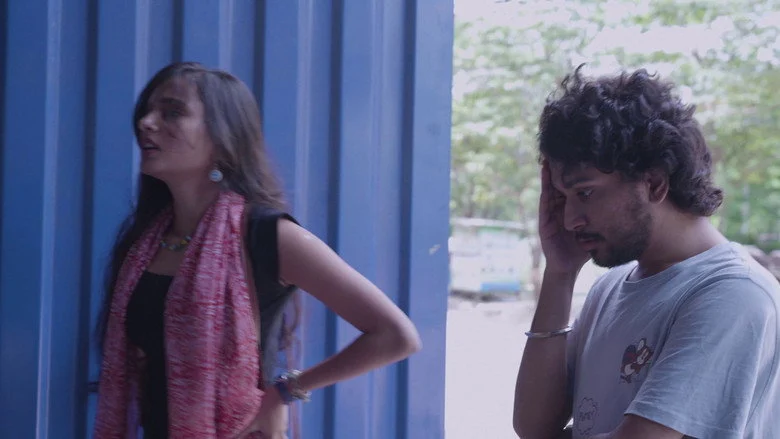
The unnamed protagonist carries the entire weight of this parable on his shoulders, and he does so with a restraint that borders on the unsettling. His performance, built around micro-expressions rather than monologues, turns every glance into a question the audience must answer alone.
Watch the scene where he first picks up the toy gun, the hesitation in his fingers, the way his eyes scan for permission that never comes. It is a masterclass in acting without acting, a choice that transforms a simple prop into a character in its own right.
The Director’s Tightrope Walk Between Metaphor and Reality
The screenplay’s greatest strength is its refusal to explain itself. The film trusts you to connect the dots between the toy, the street, and the silent accusations that hang in the air, a rare confidence in an era of over-explained cinema.
That said, the middle act loses its footing. The pacing stalls as the director indulges in atmospheric shots that, while beautiful, dilute the tension he so carefully builds in the opening.
The script’s biggest flaw is its treatment of the supporting characters as symbolic ciphers rather than people. They exist to represent positions in an argument, not to feel the consequences of it.
The Craft of Unease: How the Film Builds Its World
The cinematography does the heavy lifting in establishing the film’s paranoid tone. The camera stays low, almost at child-height, making every adult figure loom like a threat. The color palette shifts from warm amber to cold blue as the narrative darkens, a subtle visual cue that works without being showy.
Sound design deserves equal credit, the absence of a traditional score in key moments forces you to hear the silence between words. When the gun cocks, even in play, the sound is amplified to an uncomfortable level, reminding us that no violence is ever truly pretend.
This is the kind of filmmaking that rewards a second viewing, where the craft details you missed the first time become the entire point. The director’s control over tone is commendable, even when the story itself threatens to slip away.
Supporting Cast as Functionaries of a Larger Argument
The supporting players are given thankless roles, serving as ideological stand-ins rather than fleshed-out characters. The older man who demands the toy be confiscated plays his part with a bureaucratic coldness that feels intentional, even if it sacrifices nuance.
The woman who intervenes brings a warmth that briefly cuts through the film’s clinical exterior, but her character arc is abandoned too quickly. Her casting signals an attempt at balance, yet the script never follows through on the promise her presence makes.
Audience Reception: A Film That Divides Before It Unites
Early reactions suggest this is a film that will polarise viewers for exactly the right reasons. Some complain it is too slow, too oblique, too unwilling to pick a side. Others praise its ambiguity as the point, a film that refuses to give you the comfort of a clear moral.
I find myself in the second camp, though not without reservations. The film’s intellectual rigor is admirable, but it comes at the cost of emotional immediacy. You respect it more than you love it.
This is a film that demands conversation, and in that sense, it succeeds entirely. Whether that is enough to sustain a 90-minute runtime depends on your tolerance for cinema that asks questions instead of providing answers.
For those who prefer their films to arrive with conclusions pre-packaged, this will be a frustrating watch. For those who enjoy the argument as much as the resolution, there is much to chew on here. If you want to see how other films tackle similar ideas, browse our Hindi Crime reviews for more thought-provoking fare.
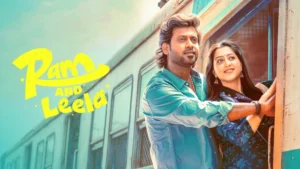
This film’s deliberate pacing and moral ambiguity share DNA with the slow-burn approach seen in Ram Leela review, where a high-concept premise similarly refuses to resolve itself neatly.
See it for the craft, stay for the argument, and bring someone who disagrees with you. A Toy Gun is a 3-out-of-5 experience that earns its rating through sheer formal control, even when its narrative ambitions outpace its emotional reach.
For a warmer, more familiar take on human connection, Bethlehem Kudumba verdict offers the emotional immediacy this film deliberately withholds.

Ankit Jaiswal is the Chief Author, covering Indian cinema and OTT releases with honest, no-filler criticism. An SEO strategist by background, he brings a research-driven approach to film writing, cutting through hype to tell you exactly what's worth your time.