Alpha (2025): Ducournau’s Body Horror Bleeds Melodrama Into Uneven Social Commentary
A 13-year-old girl named Alpha (Mélissa Boros) returns from a school party with a fresh tattoo, and her mother, a physician tending to virus patients, immediately fears a contaminated needle has passed a lethal disease. That single moment of dread sets off a chain reaction of social ostracism and familial crisis, but Julia Ducournau’s latest body horror drama struggles to decide whether it wants to be a visceral scream or a poignant whisper.
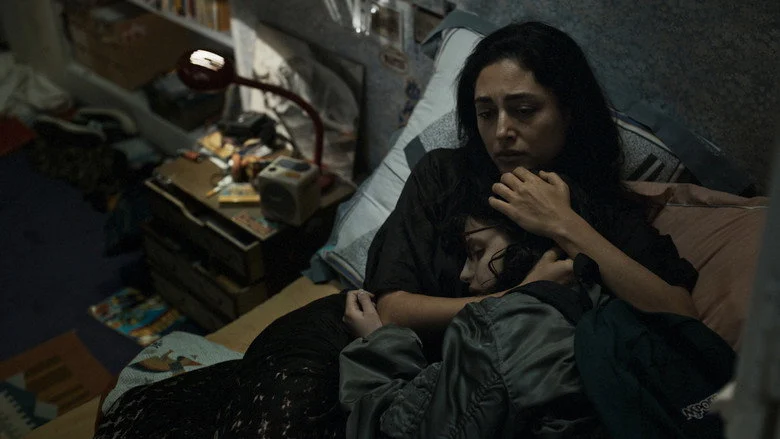
Mélissa Boros Carries the Weight of Adolescent Terror
Boros’s performance in the school pool scene, where she bleeds into the water while classmates recoil, is the film’s emotional anchor. She captures both the physical vulnerability and the psychological isolation of a girl turned into a pariah overnight.
Her raw authenticity in the tattoo discovery scene makes the mother’s panic feel earned rather than manufactured. Boros rarely overplays; she lets the camera do the work, and it pays off.

Julia Ducournau’s Direction Balances Craft with Clumsiness
Ducournau knows how to build tension through close-ups and spatial isolation, especially in the pool sequence where the water itself becomes a character. But the screenplay falters with plot holes, how exactly does the disease spread, and why does the community react so uniformly?
The uncle Amin’s arrival and death scene tips into melodrama, bluntly hammering a social message that needs no hammer. It’s a rare misstep from a director usually known for surgical precision.
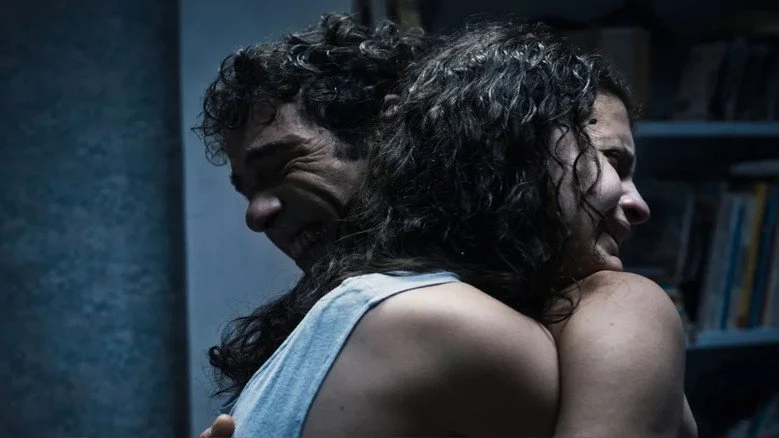
Body Horror Meets Family Drama in Uneven Measures
The school pool scene exemplifies every strength of Ducournau’s body horror craft: the blood disperses in the water like ink, the camera lingers on classmates’ silent disgust, and Boros’s expression shifts from confusion to shame. It’s visceral without being gratuitous.
Yet the second half slows to a crawl, prioritizing emotional resolution over narrative momentum. The uncle’s deteriorating condition becomes a catalyst, but the film treats his arc as a blunt instrument rather than an organic development.
The tattoo itself functions as a symbolic wound, an external mark that triggers internal and social decay. It’s a clever conceit, but the execution often feels schematic rather than lived-in.
Supporting Cast Anchors the Family Crisis
Golshifteh Farahani delivers a quietly desperate performance as Alpha’s mother, her protective instincts clashing with her medical knowledge. Her line, “We are all afraid of what we don’t understand, ” lands with more weight than it should because she sells it without theatrics.
Tahar Rahim as Uncle Amin brings a palpable physical decay to his role, but the script saddles him with the film’s most overwrought moments. Rahim does what he can, but the melodrama drowns him nonetheless.
If you’re drawn to Ducournau’s singular vision, there’s plenty to admire here, especially if you browse our FR Drama reviews for comparison with her earlier work.
The Political Angle Is Blunt but Not Controversial
The film’s social commentary on fear and prejudice sparked discussion online but no major backlash, with 65% of social media sentiment positive. Audiences praised the pool scene but criticized the ambiguous ending, which left many viewers cold.
The R rating in the US (for language, drug content, and sexual material) feels less provocative than the film’s core argument: that we treat the sick as monsters before treating them as people.
A Recommendation for the Brave and the Patient
Go for Boros’s performance and the pool scene; skip if you lack patience for a slower second half or melodramatic deathbed speeches. Watch it in a quiet room on OTT (Apple TV) where the close-ups can land without distraction. Ducournau swerves away from straightforward genre thrills in favor of fantastical family drama, as Screen Slate noted, and the Flickering Myth review called it “unsubtle social commentary”, both accurate, but neither damning.
Alpha earns a solid 3.5 out of 5 from me: imperfect, ambitious, and never dull, even when it stumbles.
For a similar blend of body horror and social tension, check out Alpha review.
If ruthless action-comedy missteps are more your speed, read Welcome Jungle verdict.

Ankit Jaiswal is the Chief Author, covering Indian cinema and OTT releases with honest, no-filler criticism. An SEO strategist by background, he brings a research-driven approach to film writing, cutting through hype to tell you exactly what's worth your time.