Max, Min and Meowzaki (2026): A multi-generational gamble with emotional nudges and tonal friction
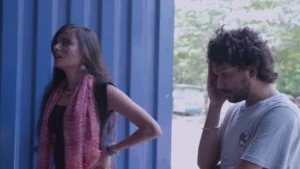
Siddharth Menon’s Mahesh is not your typical romantic lead, he’s nursing a quiet loss under a boyish grin. The performance finds its footing when Menon shifts into “Max” mode, shedding the meekness for a cruder, more defensive shell. That split feels less like character depth and more like two separate films vying for screen time, but Menon sells the desperation in both.
The real trouble is that the script never commits to which Mahesh we’re supposed to root for. The romantic subplot with Medha Shankr’s Minara lands best when Menon underplays, letting silence carry the weight. He’s watchable, but the character arc is an outline waiting for a second draft.
Padmakumar Narasimhamurthy’s screenplay loves its idea more than its execution
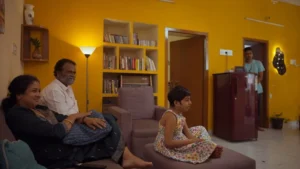
The director-writer deserves credit for threading three generations of Mahadevan men through a single emotional crisis, loss, isolation, and a cat as the unlikely healer. That structure is ambitious for a Hindi comedy-drama, and the generational contrast between Adil Hussain’s Ramesh and Nassar’s Sridhar gives the film its warmest stretches.
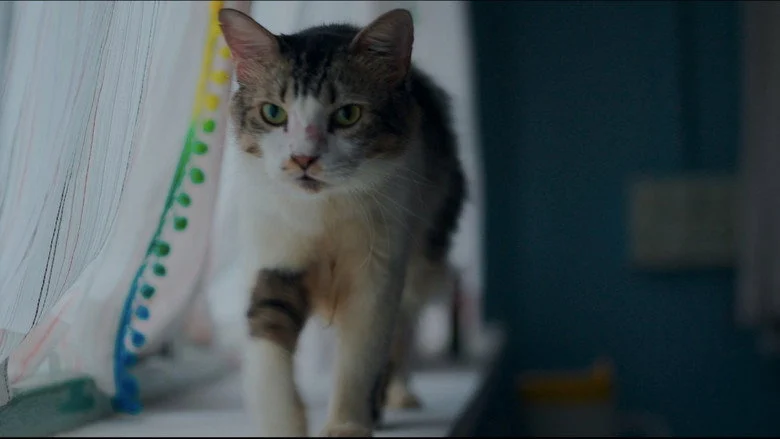
Yet the screenplay drags in the second act, relying on repetitive domestic arguments that feel like padding. One specific flaw: the cat becomes a metaphor recited aloud rather than shown through behaviour, weakening the emotional payoff. The tonal whiplash between broad humour and meditative grief never resolves, it just coexists.
The comedy-drama balance wobbles, leaving neither genre fully served
As a comedy drama, Max, Min and Meowzaki struggles with pace more than premise. The comic beats land when the cat is treated as an absurd straight-man, an oblivious animal reacting to human melodrama. But those moments get buried under expository monologues about healing, where the film mistakes talking for feeling.
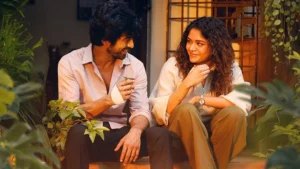
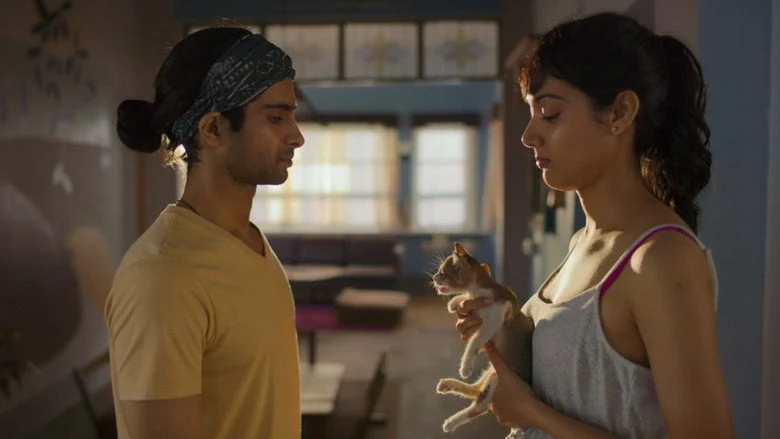
Romantic beats between Menon and Shankr are serviceable but lack a signature scene. There’s no single turning point where their connection transforms, just a slow, polite drift from awkwardness to comfort. The multi-generational angle is the film’s real edge, but the younger track hogs focus while the older men’s subplots remain sketched.
Structurally, the film is a risk that doesn’t fully pay off: three parallel arcs need tighter cross-cutting and a sharper climax. The final resolution feels earned by sentiment alone, not by dramatic logic. I cannot shake the feeling that a stronger edit would have unlocked a better movie.
If you are curious about how other Hindi films tackle fractured family dynamics, browse our Hindi Drama reviews for sharper alternatives.
Medha Shankr and Adil Hussain carry the quieter corners
Medha Shankr’s Minara is under-written, a classic “patient healer” role, but she injects gentle comic timing that lifts every scene she shares with Menon. Her best moment comes in a wordless reaction to the cat knocking over a vase, where her face shifts from annoyance to reluctant affection.
Adil Hussain, as Ramesh, brings the film’s most lived-in performance. His scenes with Nassar, two old men talking around their loneliness, are the only stretches where the dialogue feels earned rather than written. Hussain’s restraint makes every line about the dead wife land with a sting the rest of the film struggles to replicate.
Nassar, playing Sridhar, gets the film’s single most emotionally potent moment: a confession about feeding strays as a way to talk to his late wife. It is a small scene, but it signals what the film could have been if it trusted stillness over exposition.
Audience reception suggests divided rooms but no polarising controversy
No political firestorm surrounds Max, Min and Meowzaki, the film’s risks are entirely creative, not ideological. Early audience word suggests family audiences appreciate the multi-generational framing, but younger viewers find the pacing too slow for a comedy.
There is no censorship backlash or casting scandal. The UA16+ certificate seems appropriate for mild adult themes around loss and remarriage. The only real debate is whether the film’s emotional nudges are genuine or calculated, and that conversation keeps the film alive in small circles.
Skip the trailer’s promise of a quirky romp, this is a melancholic drama dressed in cat jokes. Watch it if you have patience for slow-burn family stories, but don’t expect the laughs to land consistently. Best seen at home on a streaming platform where you can pause and reflect between acts.
For a tighter multi-generational story that balances tone better, read our review of Jana Nayagan review.
Max, Min and Meowzaki earns a cautious 2.5 out of 5, worth a chance if you are in the mood for a gentle emotional risk that doesn’t quite stick the landing.
For a film that finds deeper atmosphere in grief, check out HIRAETH verdict.

Ankit Jaiswal is the Chief Author, covering Indian cinema and OTT releases with honest, no-filler criticism. An SEO strategist by background, he brings a research-driven approach to film writing, cutting through hype to tell you exactly what's worth your time.