Hai Jawani Toh Ishq Hona Hai (2026): Varun Dhawan’s Climax Saves Predictable Marriage Drama
A husband demands children while his wife guards her career, neither will bend, both will shatter. David Dhawan’s latest romance-drama-comedy unfolds this familiar marital fracture with the precision of a surgeon, then abandons all logic when a mysterious woman appears abroad and a climactic revelation rewrites everything that came before.
Varun Dhawan Anchors an Otherwise Routine Screenplay
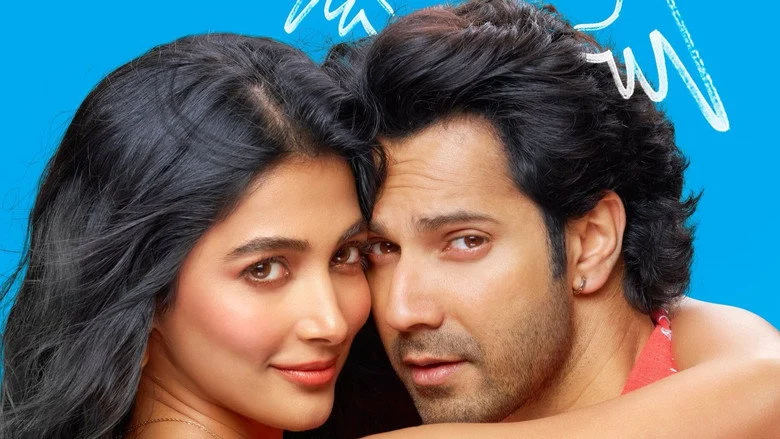
Varun’s emotional performance during the climax confrontation scene carries genuine weight where the script itself offers none. His comedic timing alongside Maniesh Paul lands consistently, though these moments feel borrowed from better Dhawan comedies. The real test comes in the film’s second half, where Varun must portray Jass’s internal conflict over commitment, and he delivers it with nuance, even if the setup feels manufactured.
David Dhawan’s Direction Lurches Between Comfort and Negligence
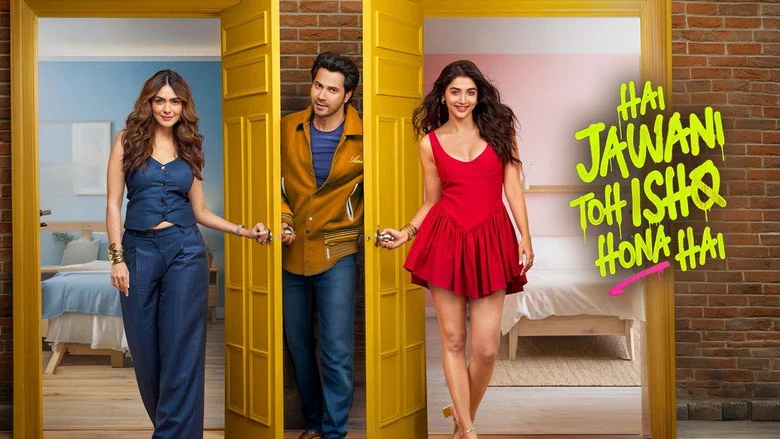
The filmmaker’s signature comedic ease surfaces in lighter scenes, but his handling of the drama-romance balance grows uneven. The initial argument scene between Jass and Bani, meant to establish stakes, drowns in clichéd Bollywood marital discourse instead of earning its emotional ground. His strength lies in the climax’s emotional orchestration; his weakness is the entirely predictable first act that signals every beat before it lands.
Romance Meets Drama: Three Distinct Tones Fighting for Control
The film’s genre foundation crumbles under its own architectural weight. The opening marriage conflict establishes authentic stakes, career ambition versus family desire, but the screenplay refuses to let this tension breathe. Instead, it staggers toward Act Two with the energy of obligation rather than urgency.
When Jass encounters the new woman abroad, the narrative pivots entirely, abandoning the carefully planted marital conflict for a plot device masquerading as a character. This woman exists only to trigger the climax; Mrunal Thakur’s performance suffers under the screenplay’s refusal to grant her backstory or motivation. The emotional arc becomes mechanical rather than organic.
The climax revelation scene, where truth emerges about the new relationship, finally justifies the two-hour journey. Here, David Dhawan lands his intended punch. Varun’s confrontation with what commitment truly means generates the film’s only moment of genuine dramatic weight, though it arrives too late to salvage what preceded it.
For those seeking detailed Hindi Romance reviews, the second-half pacing accelerates significantly, compensating partially for the sluggish setup.
Pooja Hegde and Maniesh Paul Rescue Scenes from Mediocrity
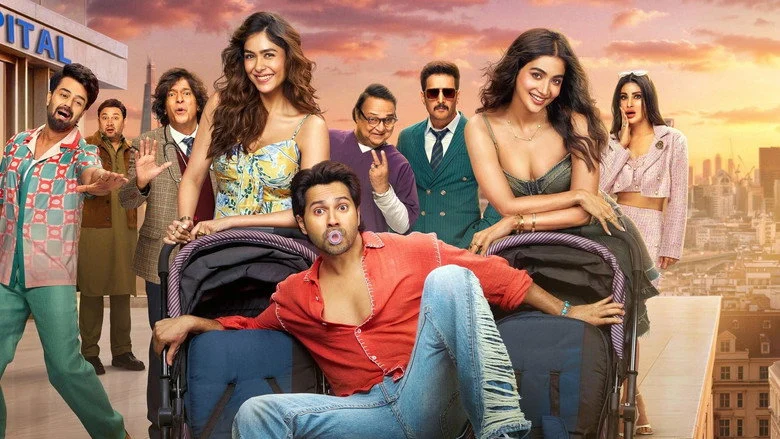
Pooja Hegde portrays Bani’s career-driven conflict with conviction, refusing to play the sacrifice-laden wife typical of Bollywood. Her scenes convey genuine frustration and professional ambition, making the separation feel earned rather than imposed. Maniesh Paul’s comic support, particularly in friend scenes with Varun, proves the film’s most reliable pleasure, offering levity without undermining the drama’s stakes.
A Marriage Film Caught Between Honesty and Formula
Chunky Pandey and Jimmy Shergill occupy their roles competently but without memorable distinction. Their presence signals the film’s intention to ground itself in family drama, yet neither actor receives scenes substantial enough to anchor emotional investment. This underdevelopment extends throughout the supporting architecture, everyone serves the plot, nobody deepens it.
Modern Marital Conflict Buried Under Predictable Progression
The screenplay’s core insight, that modern couples face genuine value clashes between parenthood and ambition, deserves sharper exploration. Instead, the first 30 minutes telegraph every beat through dialogue repetition and visual cliché. The film tells you what it’s showing you, then shows you what it already told you. By the time Jass departs abroad, audiences have already mapped the remaining two hours with uncomfortable accuracy.
What distinguishes this film from worse romantic dramas is Varun’s willingness to play vulnerability, and what undermines it is the screenplay’s refusal to trust that vulnerability without external confirmation. The shocking revelations work only because Varun performs them; the writing doesn’t earn them.
Casting Signals Toward Authenticity, Execution Settles for Safety
Pairing Varun with Pooja Hegde suggests the filmmakers wanted modern, professional women, a step forward from typical Bollywood spouse-casting. The choice to name Mrunal Thakur as the antagonistic new romance character signals intent toward complexity, yet her character remains a narrative device rather than a person. The disconnect between casting ambition and screenplay follow-through defines the film’s central failure: it knows what it should be, refuses to become it.
The film’s two-hour-sixteen-minute runtime accommodates neither the leisurely character development romantic dramas require nor the propulsive momentum thrillers need. It stalls between registers, asking viewers to wait for an emotional payoff that Varun eventually delivers but the screenplay never quite promises. If you’re a Varun Dhawan loyalist or David Dhawan completist, the climax justifies the theater ticket, barely. Everyone else should wait for streaming, where the predictable first half becomes skippable and the emotional finale doesn’t feel like unexpected fortune.
For context on similar romantic dilemmas executed with greater originality, Made Korea review occasionally outflank their Hindi counterparts.
Hai Jawani Toh Ishq Hona Hai remains a 2.5-star verdict: Varun salvages the climax, but David Dhawan’s screenplay squanders the marriage-drama premise it sets up.
For bilingual parallels in emotional drama construction, Dacoit verdict demonstrates stronger execution across languages.

Ankit Jaiswal is the Chief Author, covering Indian cinema and OTT releases with honest, no-filler criticism. An SEO strategist by background, he brings a research-driven approach to film writing, cutting through hype to tell you exactly what's worth your time.