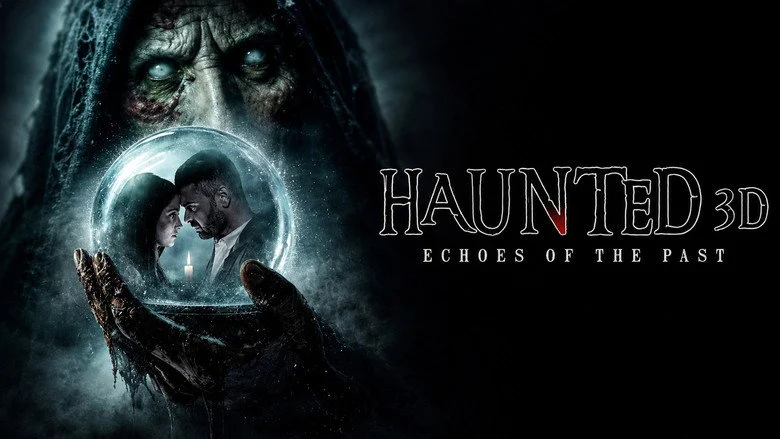
Haunted 3D: Ghosts of the Past (2026): Mimoh Chakraborty Trapped in Hollow Horror Spectacle
A filmmaker fleeing personal betrayal arrives at a remote mountain mansion, only to find the structure itself becomes a prison of psychological unraveling and supernatural torment. Within minutes, the house’s sinister history begins to surface, promising the kind of escalating dread that should anchor a supernatural thriller, but Vikram Bhatt’s execution crumbles under the weight of unconvincing scares and hollow production values.
Haunted 3D: Ghosts of the Past arrives as a sequel-adjacent entry that leans on genre familiarity rather than genuine innovation. The premise is straightforward enough: grief, guilt, and isolation wrapped in a haunted-house framework. Yet something essential breaks down in the translation from concept to screen.
Mimoh Chakraborty’s Inward Collapse Never Finds Solid Ground
Mahaakshay Chakraborty’s Dev is cast as a man in emotional collapse rather than a conventional protagonist, a choice that could have anchored the film’s psychological dimension. Instead, his performance registers as reactive and passive, existing inside the mansion’s increasingly oppressive atmosphere without generating the internal friction that would make his deterioration credible. The actor leans into distress, but the material doesn’t give him scenes where that anguish transforms into something visceral or earned.
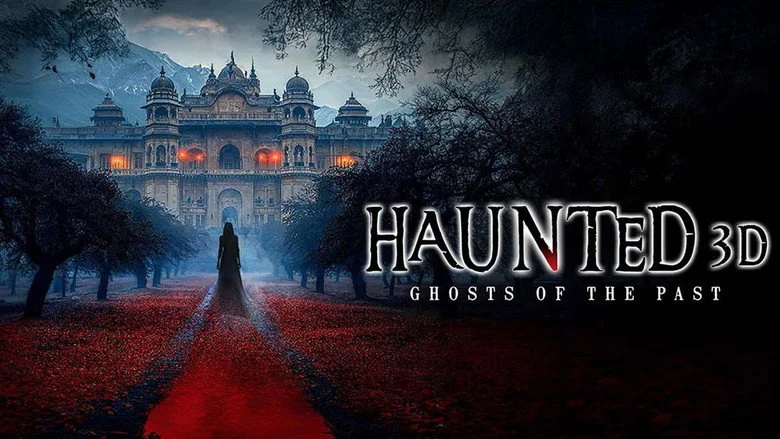
Vikram Bhatt’s Mansion Concept Works; Everything Else Falters
The haunted-mansion premise anchored in a remote mountain location is conceptually sound, isolation is the genre’s oldest ally. Bhatt understands this geography well enough to structure the narrative around gradual revelation of past occupants’ dark secrets. The structural ambition is there. But execution betrays the foundation: the review source from Rediff noted the film delivers “no real scares, ” “no real acting, ” and crucially, “no real 3D effects” or convincing sets, which transforms the entire visual register into something closer to community-theater staging than immersive horror cinema.
Horror Execution Collapses Under Unearned Atmosphere
A supernatural horror film lives or dies by its ability to sustain dread through spatial design and escalating psychological pressure. Dev’s arrival at the mansion establishes isolation and vulnerability, the opening setup works as premise-building. But the progressive discovery of the house’s dark history fails to generate cumulative fear; instead, the review frames the entire experience as accidentally comic, “More Laughs Than Scares, ” which signals that the film’s tonal control has fractured entirely.
The haunted-house structure depends on the environment becoming a character, a force that bends perception and reality. Bhatt builds the framework for this (unresolved trauma, hidden secrets, layered history), but the presentation doesn’t sustain it. Without convincing production design or visual conviction, the house reads as a set rather than a breathing, malevolent entity.
Genre-adjacent films often survive on pulp energy or B-movie schlock absorbed knowingly. Rediff’s reference to “an abundance of glorious schlock” suggests the film may have a campy texture, but that texture never coheres into intentional satire or self-aware excess. It simply reads as failure.
We’ve seen isolated-mansion thrillers executed with far more precision and atmospheric control; the standard set by earlier Hindi-language horror, including Bhatt’s own Haunted – 3D from 2011, sits well above what this film manages to deliver.
Supporting Cast Trapped in Underutilized Roles
Chetna Pande and Gaurav Bajpai anchor the principal cast, but the available record offers no character specificity or scene-level moments that would allow these actors to register beyond ensemble presence. Their casting signals the film’s intent to build a haunted-house ensemble rather than focus entirely on Dev’s isolation, yet the material doesn’t develop these roles into anything more than functional support. Hemant Pandey, Shruti Prakash, and Praneet Bhat round out the supporting structure, but again, no detail suggests they’re given scenes where their presence shifts the narrative’s emotional weight.
The Franchise Connection Carries No Narrative Leverage
Haunted 3D: Ghosts of the Past positions itself as spiritually linked to Haunted – 3D (2011), offering returning viewers a sense of franchise continuity. However, continuity without innovation or excellence becomes mere branding. The film doesn’t justify its existence as a sequel or spiritual successor, it simply inherits the name and assumes that’s sufficient. For audiences returning to Bhatt’s horror work, this entry doesn’t deepen the director’s thematic interests or technical mastery; it reiterates them at diminished scale.
Hindi horror reviews on our platform often reveal how regional cinema approaches the genre with distinct cultural and stylistic priorities. Exploring Hindi Horror reviews will show you where this film sits in the larger landscape of supernatural storytelling in Indian cinema.
The film’s fundamental failure is neither ambition nor concept, it’s execution. A haunted mansion centered on psychological collapse is workable material. But Bhatt doesn’t build the visual, editorial, and performance infrastructure required to make that premise resonate. The house should feel alive and predatory; instead, it reads as a stage set, and the scares never materialize because the production can’t convince us the space itself is haunted.
If you’re seeking a haunted-house experience, skip this entirely and revisit Bhatt’s earlier work or look elsewhere for films that understand how to weaponize isolation and atmosphere. This is a watch-only-if-curious affair, and that curiosity will likely be disappointed by weak scares, unconvincing production design, and a lead performance that never finds purchase in the material.
Haunted 3D: Ghosts of the Past squanders its premise on hollow execution, rendering Mimoh Chakraborty’s grief-stricken protagonist a vehicle for unintentional comedy rather than credible horror, a 2/5 film that mistakes genre familiarity for genuine suspense.
If you found Bhatt’s supernatural register uneven here, his earlier work in Great Grand review demonstrates stronger tonal control.
Similar pressures between character fragility and atmospheric decay also undermine Chand Mera verdict.

Ankit Jaiswal is the Chief Author, covering Indian cinema and OTT releases with honest, no-filler criticism. An SEO strategist by background, he brings a research-driven approach to film writing, cutting through hype to tell you exactly what's worth your time.